Updated May 2026
My most recent academic article asks: How does a colonial import become a traditional medicine export? I follow Ravintsara’s history over 150 years from its roots to the laboratory. Read “The Making of a Medicinal Plant: Ravintsara (Cinnamomum camphora) in Madagascar, from Colonial Introduction to Export Remedy” in Histoire, médecine et santé.
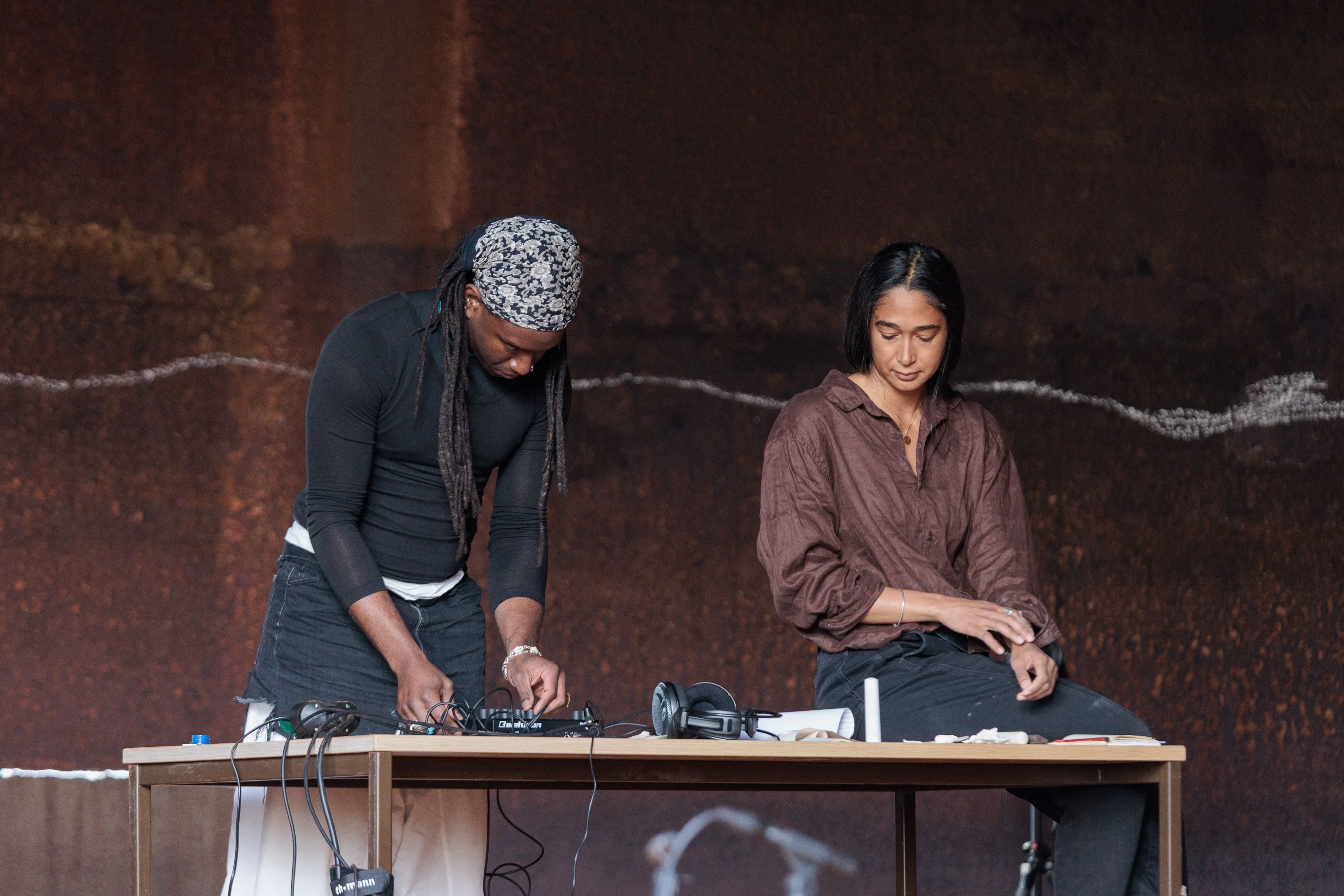
In April 2026, I joined S*an D. Henry-Smith for a sonic performance, “Raz²ia” in an empty silo on the grounds of Bast, a former yeast factory, as part of the “Reveries” series at Kunstverein Nuernberg.
In October 2025, I received a PhD in Geography from the University of Lausanne, Switzerland (Institute of Geography and Sustainability) for my dissertation titled Volatility: Living with Ravintsara on Madagascar’s Opportunistic Frontier.
The public presentation was intergenerational and international, bringing distant geographies and relations into dialogue; my 85-year-old relative in New Jersey asked about synchronicity with trees and my language teacher in Madagascar sent photos of the maturing ravintsara tree we planted together in Antsirabe.
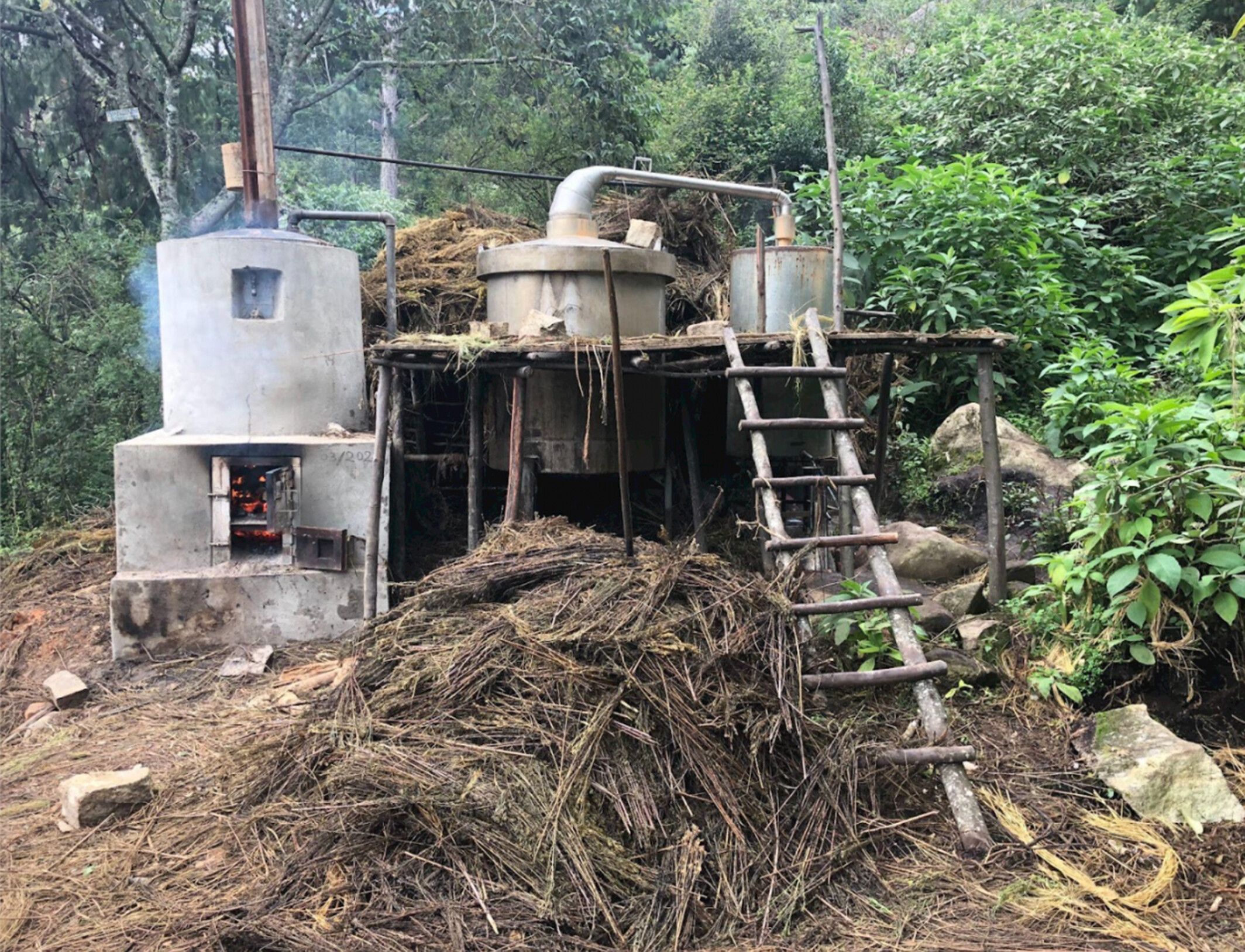
For over a decade, I have been preoccupied by understanding how plants travel and transform, and what knowledge and practices move along with them, and what, and who, gets left behind. My dissertation research on ravintsara (Cinnamomum camphora), a medicinal tree and essential oil commodity popularized since the 90s, is based on 15 months fieldwork in Madagascar’s central highlands. I follow 150 years of this unique and powerful plant through social, economic, and political conditions of uncertainty and shifting regimes of value, where plants, people, and markets remain in constant negotiation in intersecting markets for local and international consumption.
You can read about this, as a peer-reviewed Open Access article, here: “Essential Work in Essential Oil Production: Ravintsara Distillation in Madagascar During COVID-19”
Some reflections on this work are also featured on the POLLEN (Political Ecology Network) blog.
In 2025, I was recognized with the Bristol–Bern Prize for Public Environmental History by the European Society for Environmental History for Ghost Tours, in appreciation of its participatory approach to tracing the entangled histories of colonialism and ecological crisis through site-specific performance. Over the past five years, in three languages and across five countries, more than 200 people have shown up, willing to step into an uncertain experiment with me!
I shared some thoughts on my process, the impetus, and urgency behind this work in Environment and History, read it here.
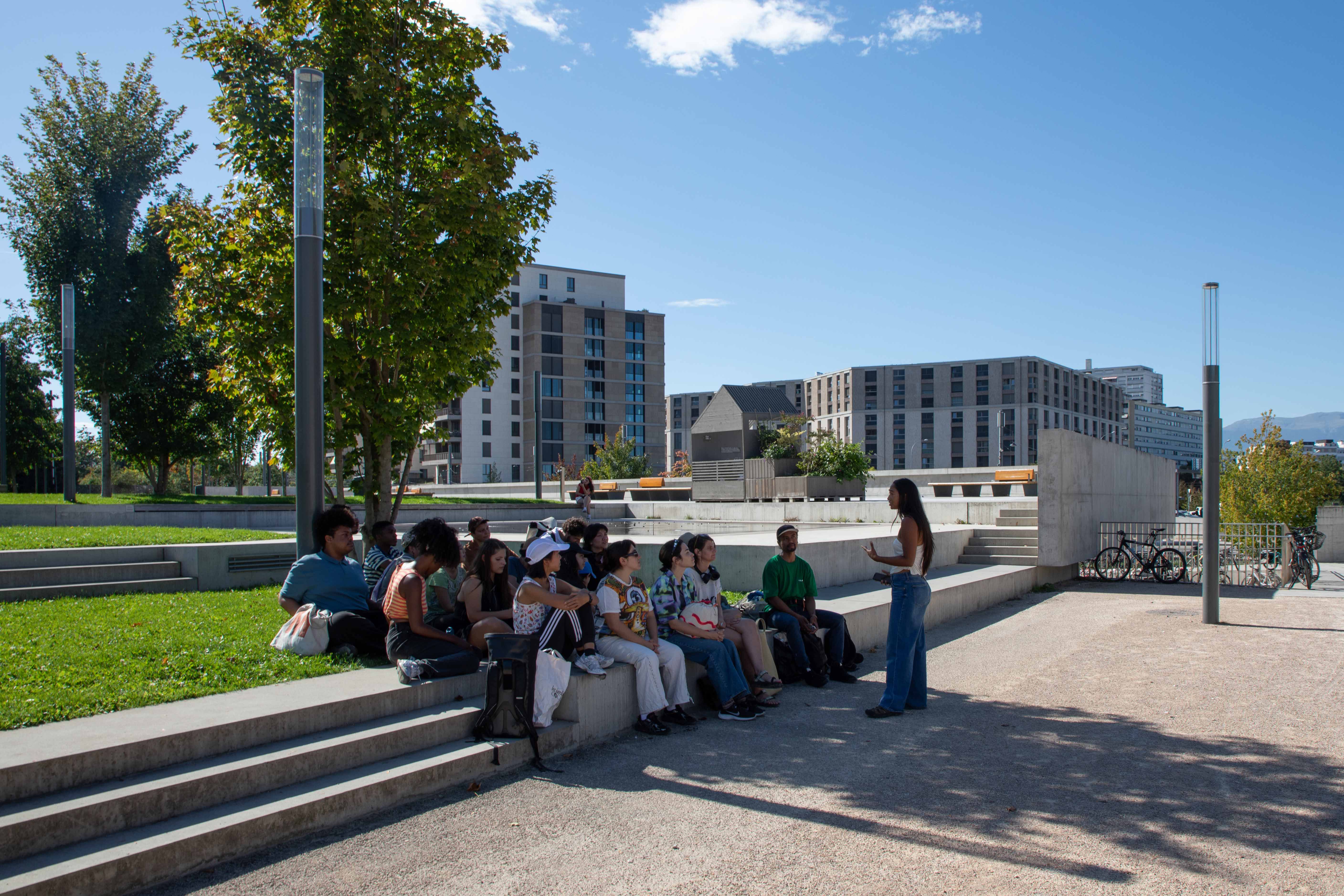
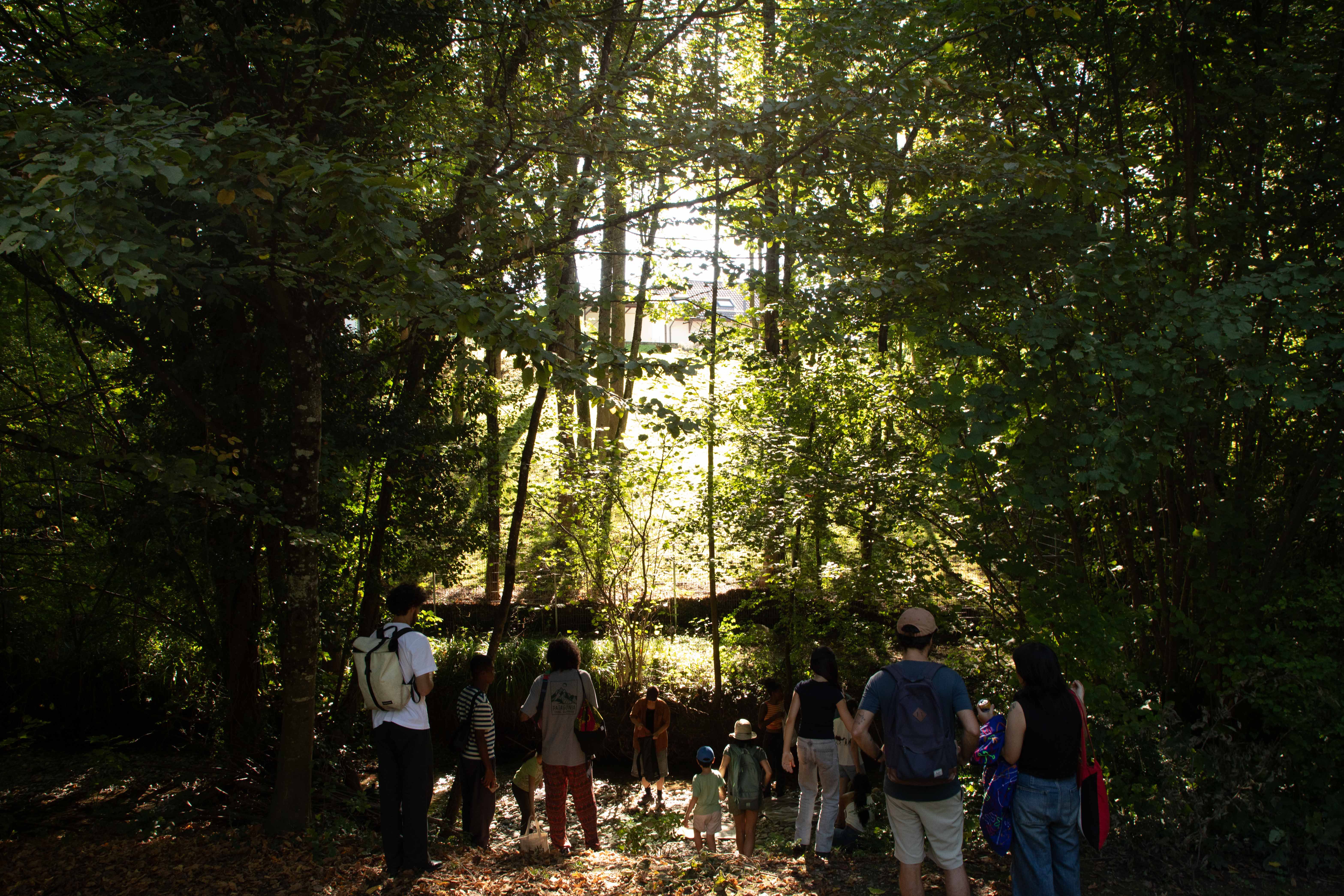
As part of a group exhibition at Espace 3353, I co-created “Elanelana” with Miranto Rafonomezana, dear friend and artistic collaborator, in September 2025.
“Elanelana” means distance in Malagasy. This includes the space between bodies, but also between ideas, states of mind, and realities. The work took the form of a peformative walk with sonic accompaniment by Miranto along the Drize river in Carouge to probe connections between Switzerland and Madagascar through the living, the invisible, and what continues to be felt across distance.
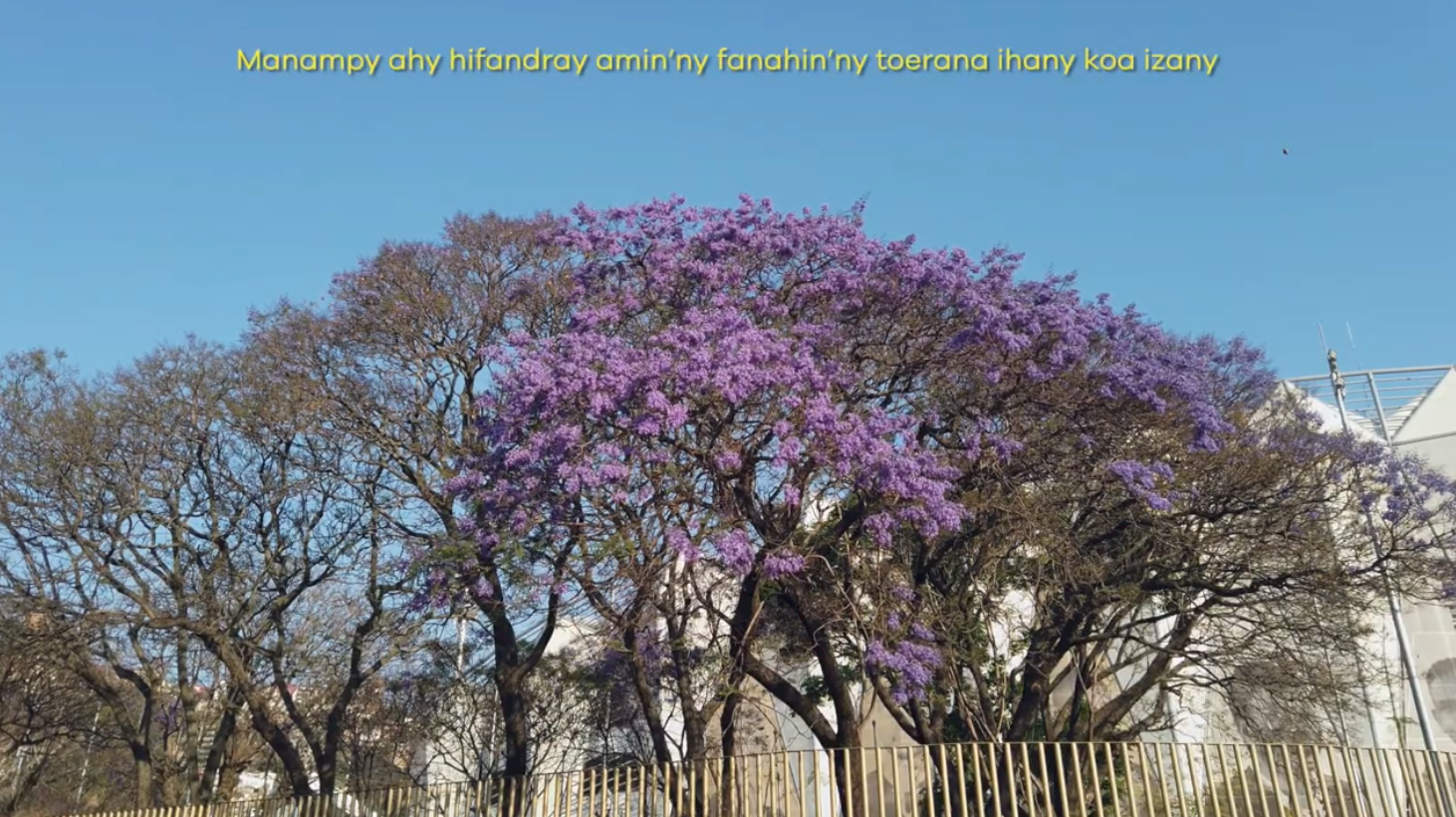
Together, Miranto and I also made Tontolo miaina, a video work produced with the support of La Teinturerie Association d’artistes (Antananarivo) and the Fondation pour les Aires Protégées et la Biodiversité de Madagascar.
In a guest interview for Flower Club International, I spoke about my grandmothers, their love of gardens, and why I am so compelled to be with, and think with, plants.
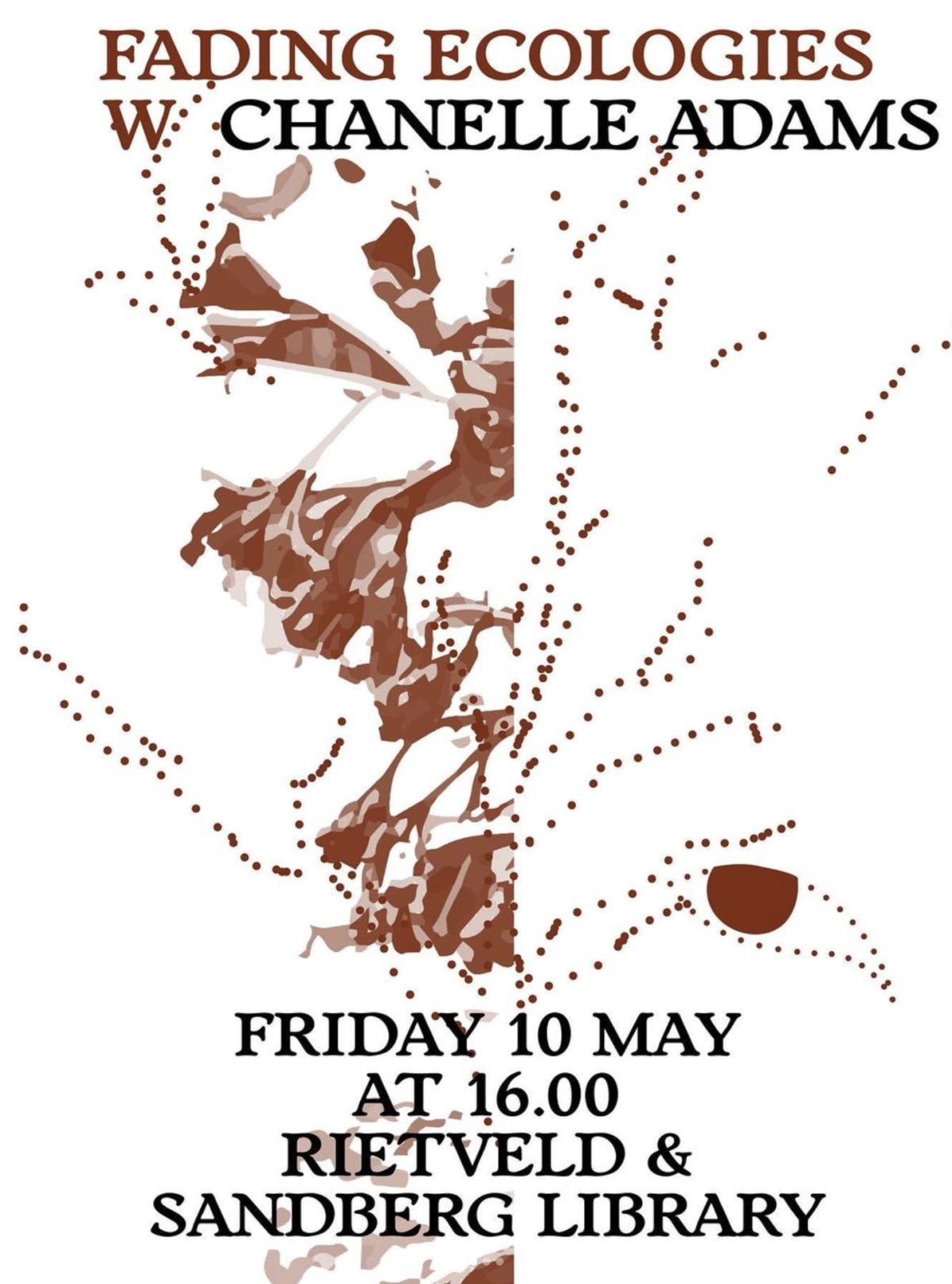
I was invited by S*an D. Henry-Smith to the Rietveld and Sandberg Library in Amsterdam. Together, during “Fading Ecologies,” we explored how we account for loss and grief, ecological and otherwise, on the page and in the body and breath.
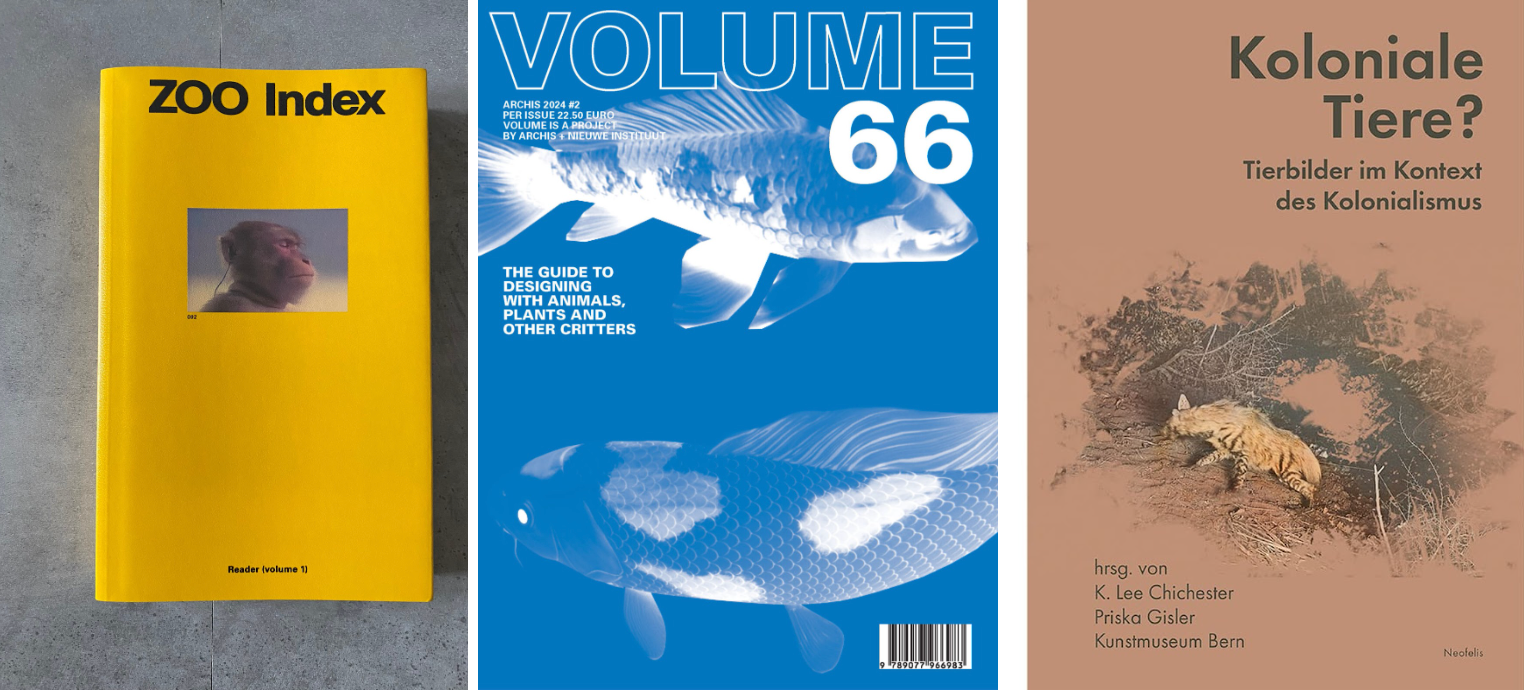
I contributed to a number of (print!) publications in 2024: Zoo Index, an entre on “Giraffe”in VOLUME 66: The Guide to Designing with Animals, Plants and Other Critters (Archis & Nieuwe Instituut), and an essay on the ghostly residues of Marseille’s colonial zoo, “Der gar nicht lustige Zoo: Die koloniale Geschichte des Parc Longchamp in Marseille,” in Koloniale Tiere? Tierbilder im Kontext des Kolonialismus (Neofelis Verlag, 2024).
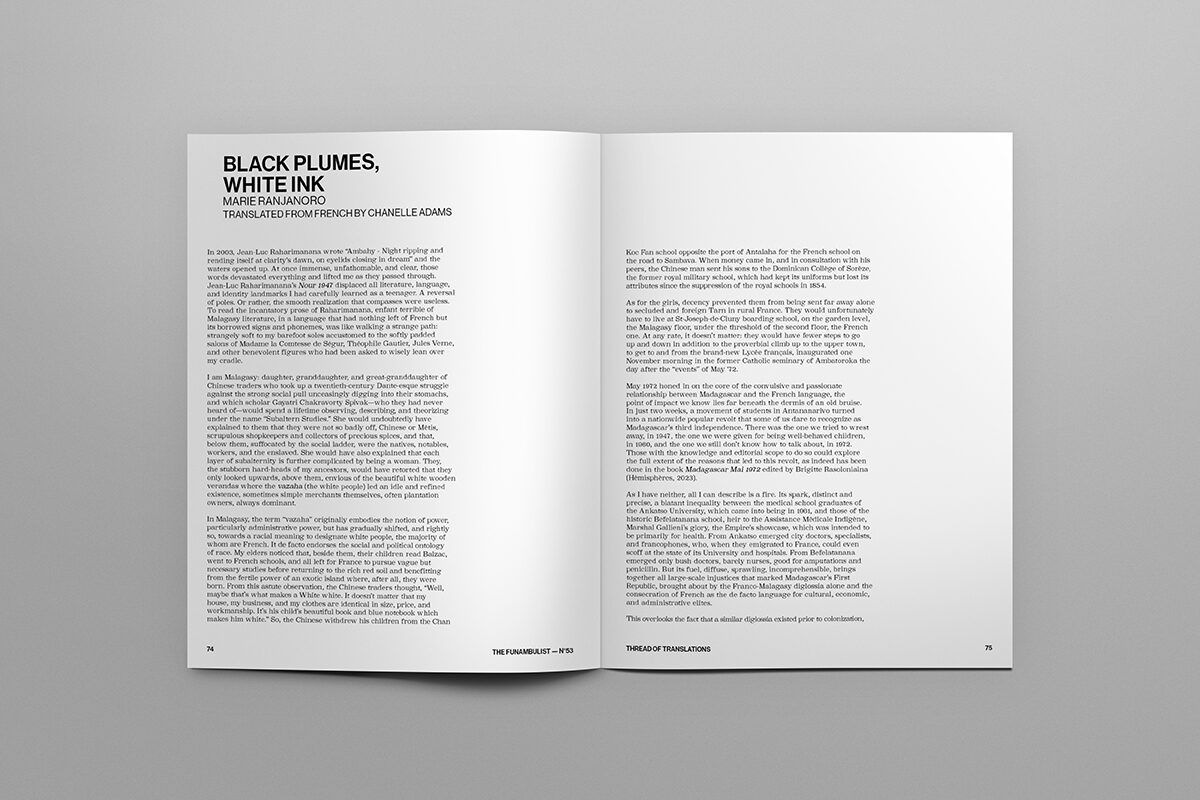
As part of my ongoing translation practice, I translated several texts, including “Black Feathers, White Ink” by Marie Ranjanoro for The Funambulist.
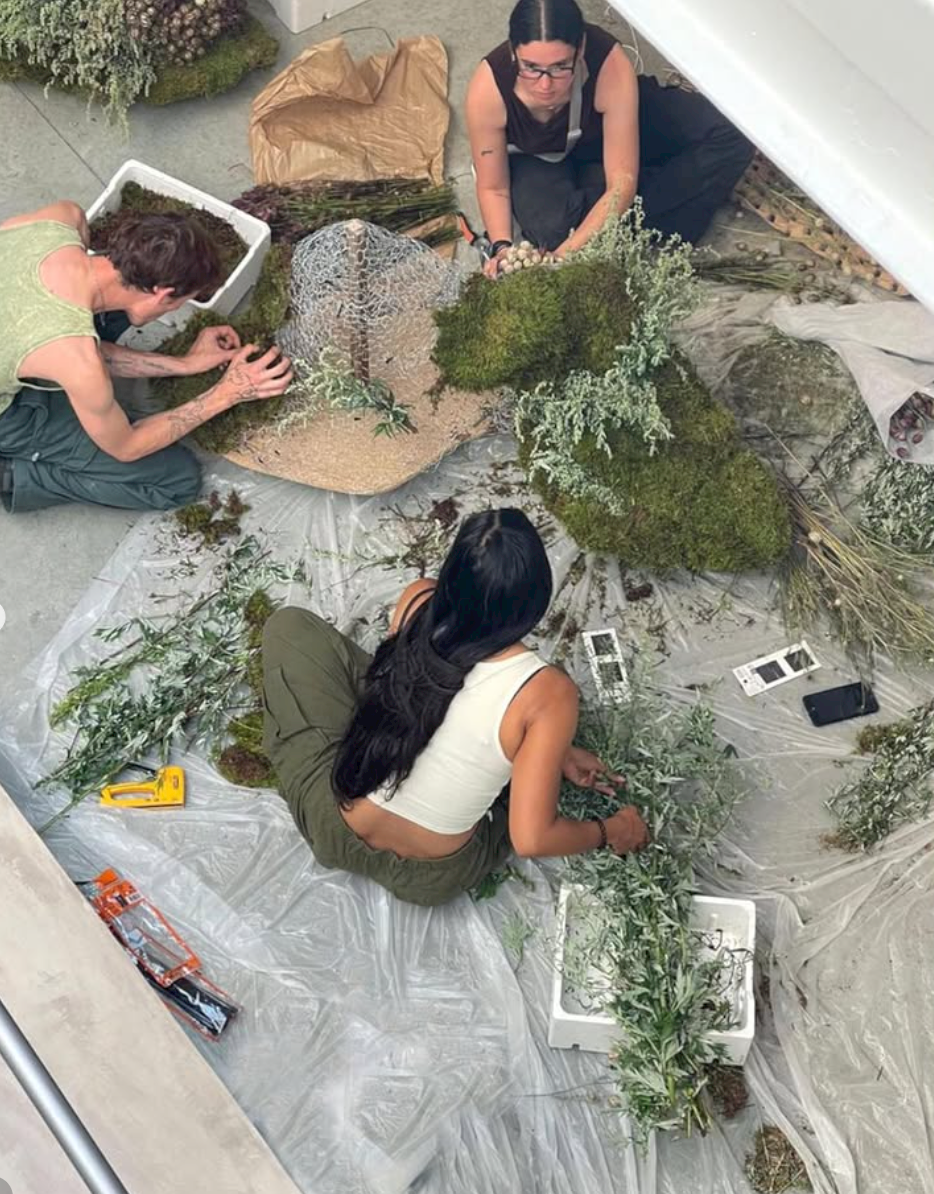
Lately, I have also been experimenting with more spatial forms of my practice. In 2023, collaborated on a modular and floral work for A Friend Named Cousin, an exhibition curated by Joe Freshgoods in collaboration with New Balance, with Clement and Leila.
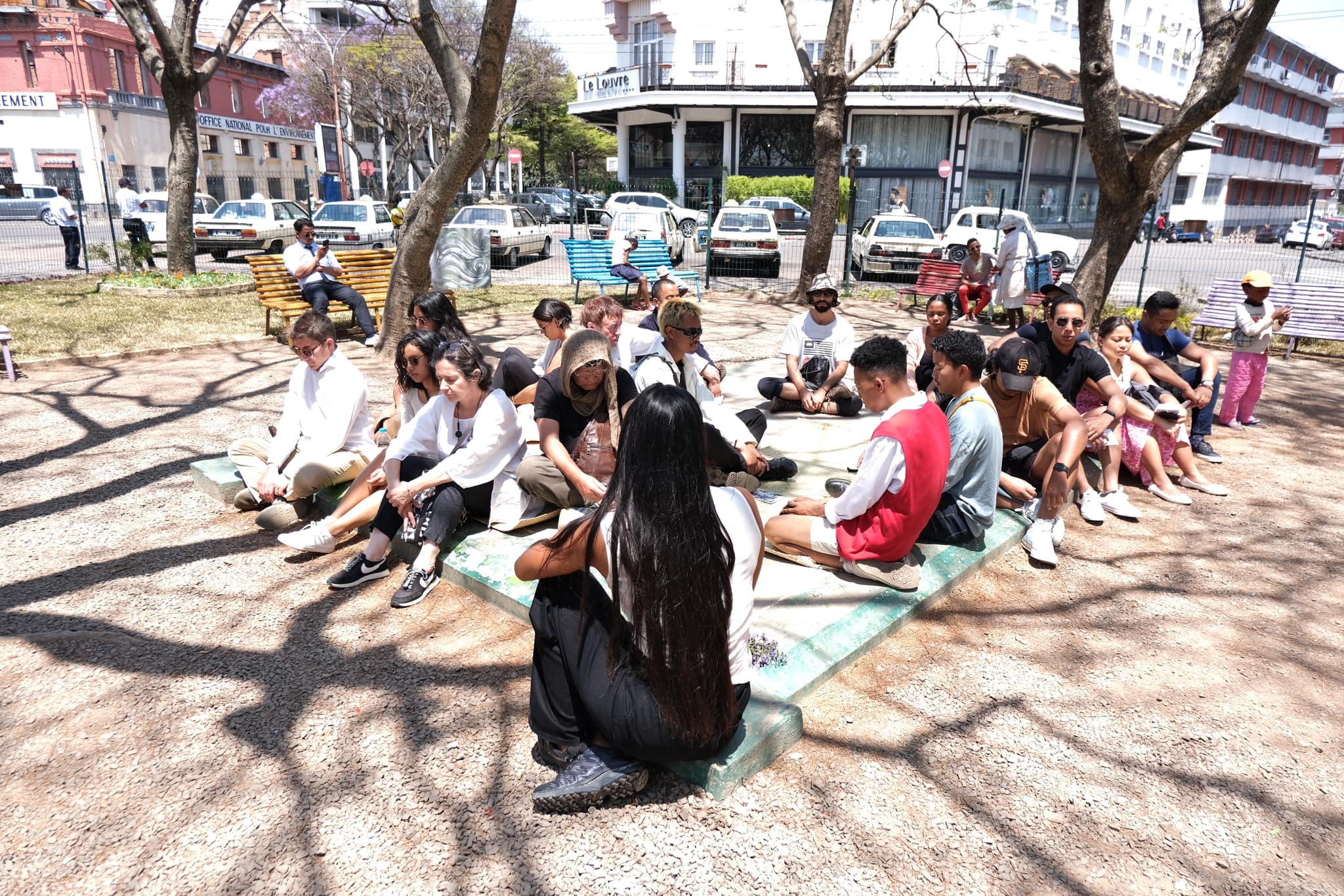
Back in October 2023, a curious group gathered for a performance of Zaridaina which took place around jacaranda trees in Antaninarenina Garden in Antananarivo, Madagascar. The ghost tour was produced in close collaboration with Miranto Rafanomezana and made available as an audio guide in three languages (English, French, Malagasy) with translations by Fanja Rabemiafara and Robin Rajaonarivelo.
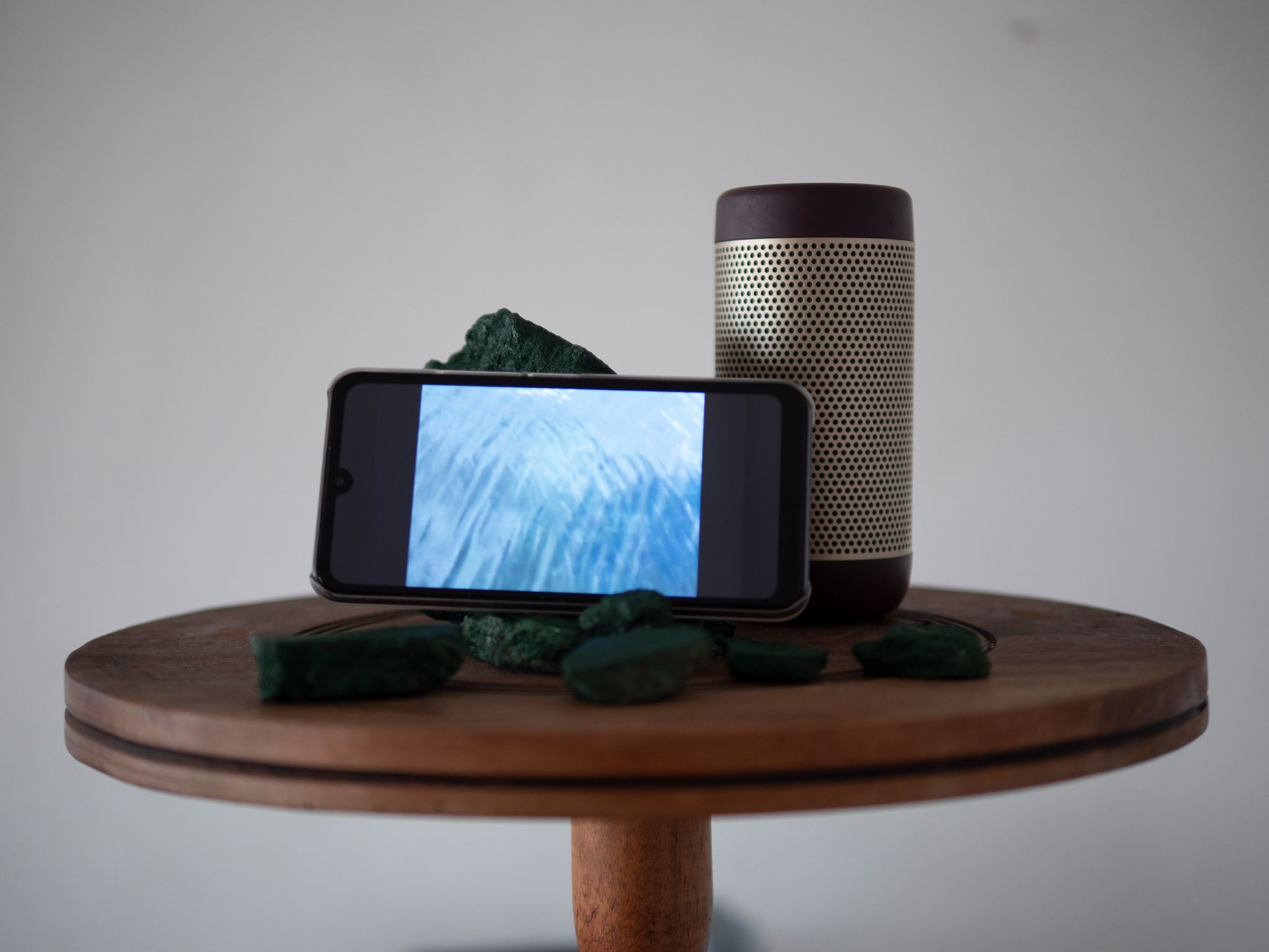
Free Space sonic essay and guided meditation was installed at Yambi City 6 at the Plateforme Contemporaine in Kinshasa, Democratic Republic of the Congo in December 2023 as part of collaborative project Rencontres Plurielles.
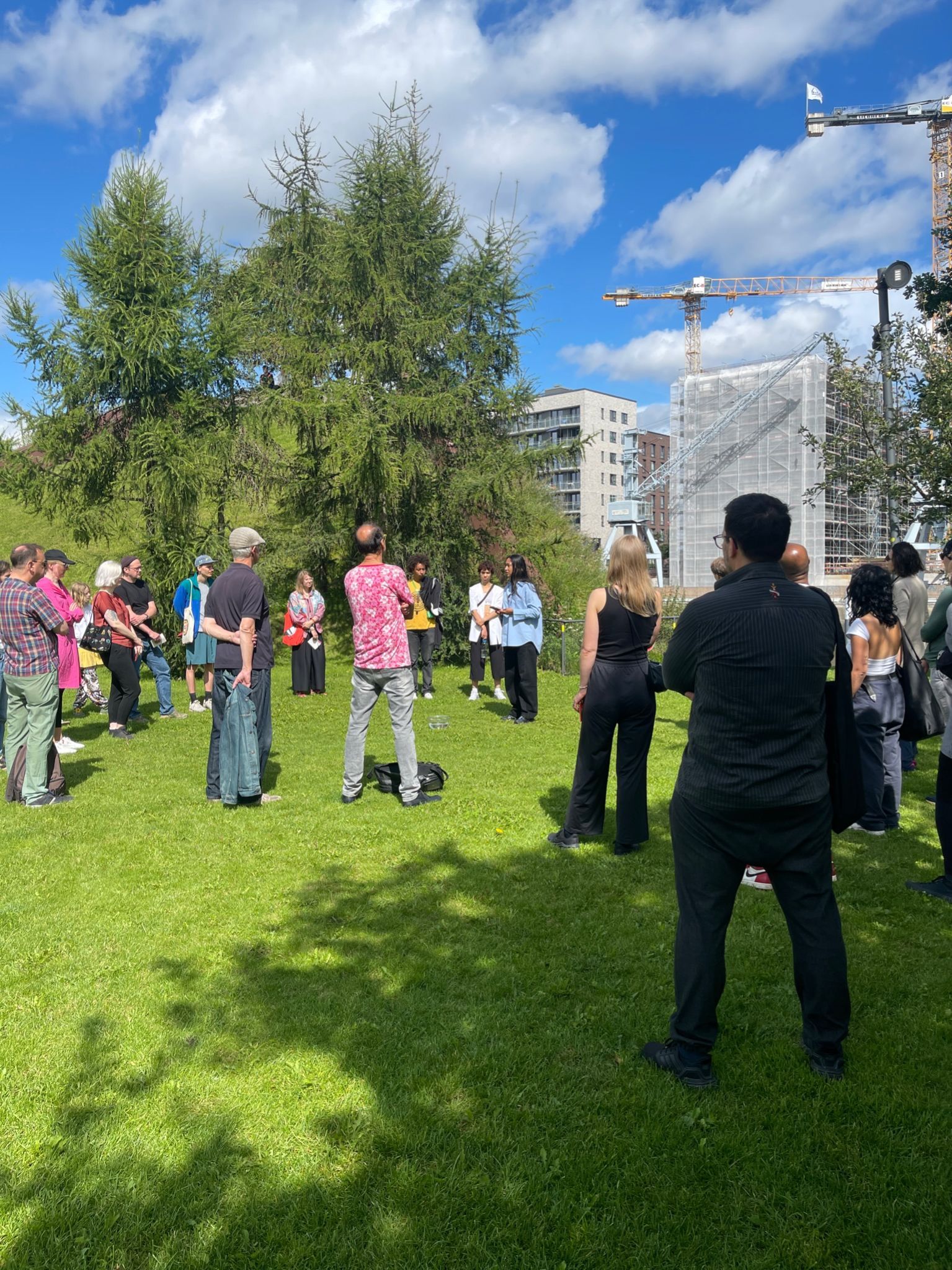
During a residency with Kampnagel for the 2023 International Summer Festival and in dialogue with local residents, I developed Elbe River Ghosts – a performative city walk through Hamburg that conjures up spirits of the Elbe River. As one of Europe’s largest ports, Hamburg’s waterways harbor haunting histories of colonialism, capitalism, and ecocide. The sold-out ghost tour ran for three weekends and included three weekends of live performances and self-guided audio tours.
What kind of atmosphere is created by a greenhouse? How does a tropical plant keep time in Switzerland? And why does the corpse flower stink? Ghosts in the Greenhouse is an entirely self-guided audio tour of the Botanical Garden in Basel Switzerland which took place in the days leading up to the anticipated bloom of the corpse flower as part of group show “You may find yourself in a haunted space” at Ausstellungsraum Klingental.
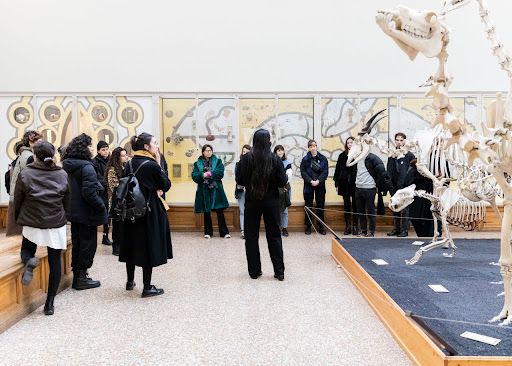
“Ghost Museum” (2022) is a site-specific performance which took place at the Lausanne Museum of Natural History as part of Les Urbaines festival in Switzerland.
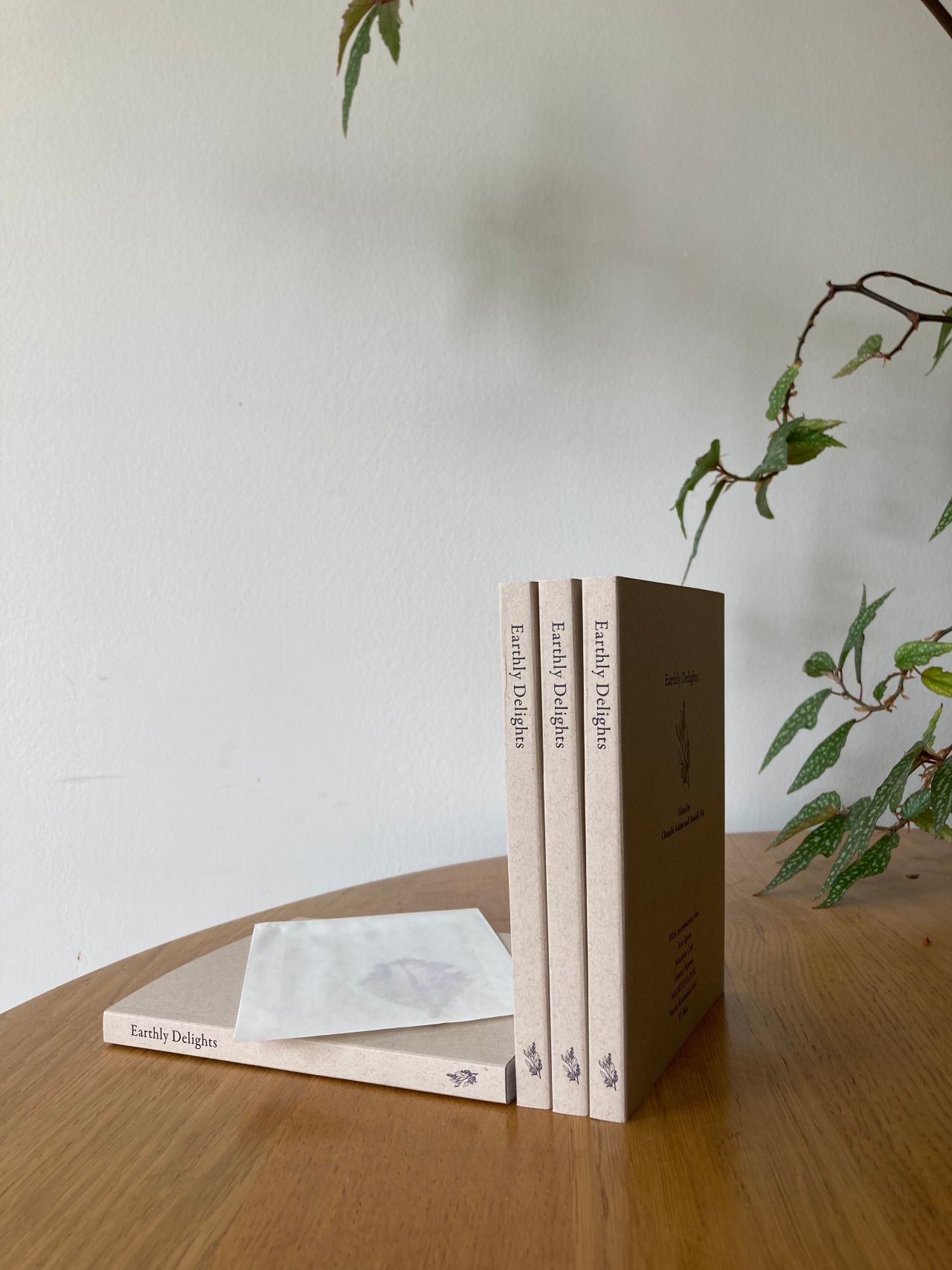
Earthly Delights (SOLD OUT), co-edited with Danielle Wu, was released in July 2022 with Tiger Strikes Asteroid, USA. From Brooklyn to Soweto, Paris and Portland, contributors tend to topics such as house plants, city gardens, national archives, and flower shops. Earthly Delights is an invitation to follow us down, down the rabbit’s hole, to a botanical world beyond your control. Imagine a rancorous garden party, where a curious cast of artists, educators, florists, historians, poets, and writers have assembled to ponder the unauthorized biographies we assign to plants. What is the difference between sweat and dew? A spine and a stem? A victory garden and a pandemic plot?
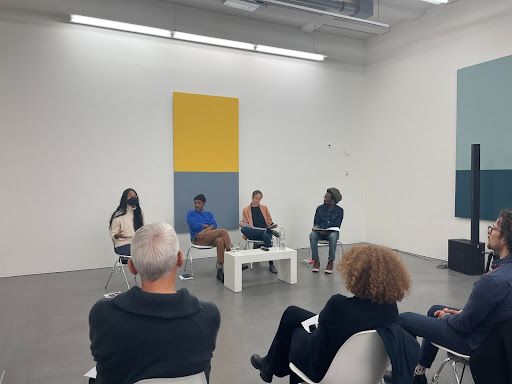
I had the honor of being invited to a roundtable “On ‘Worldmaking’" upon the occasion of Kapwani Kiwanga’s Zurich Art Prize 2022 at the Museum Haus Konstruktiv in Zurich moderated by Melanie Boehi with Andile Magengelele and Percy Zvomuya.
I published “The Audacity of Nature Docs: What Obama's 'Our National Parks' Leaves Out" and a dispatch on “Patagonia” at The Drift. (Read my first essay for this magazine on Madagascar’s plant medicine here ).
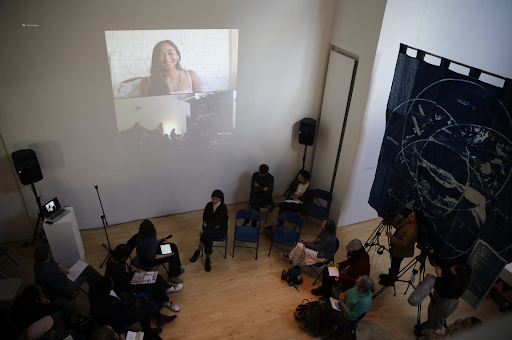
I read my essay “The Right To Rest (In Peace)” at the Sunlight Doesn’t Need a Pipeline at Stanley Picker Gallery, UK following a conversation on "Haunt" with Luiza Prado.
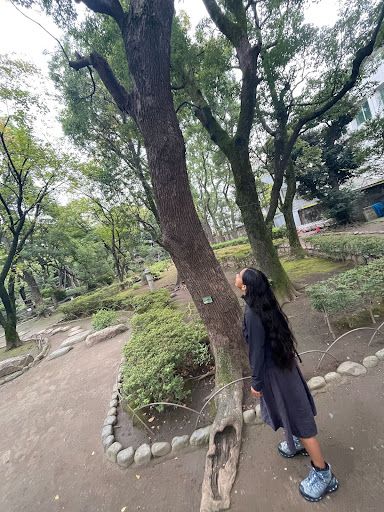
In the summer of 2022, I followed the history of the camphor tree across four continents to write the essay “The Trail of the Camphor” published by Adi Magazine. And wrote essay “This is the Deal” on the ways we drag plants through the drama of human history for e-flux.
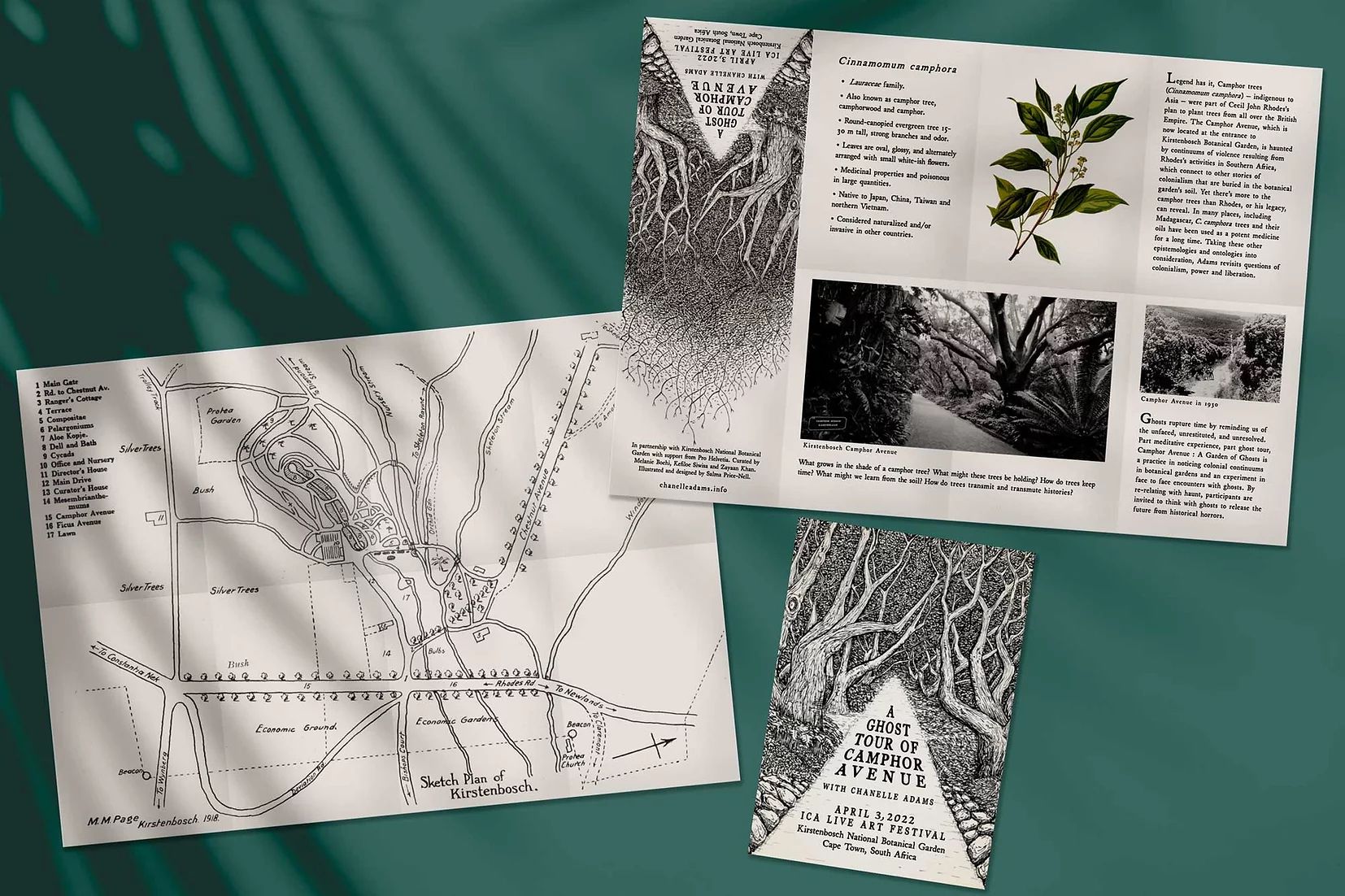
Legend has it, Camphor trees (C. camphora) – native to Asia – were part of Cecil John Rhodes' plan to plant trees from all over the British Empire at at the garden. The Camphor Avenue is haunted by continuums of violence resulting from Rhodes’s activities in Southern Africa, which connect to other stories of colonialism buried in the botanical garden’s soil. Yet there’s more to camphor trees than Rhodes, or his legacy, can reveal. In many places, including Madagascar, C. camphora trees and their oils have been used as a potent medicine for a long time. Taking these other epistemologies and ontologies into consideration, we revisit questions of colonialism, power, and liberation.
"In telling the autobiography of the trees, Adams hints at the hands that have historically been conscripted into caring for them. I begin to realise that this tour might not be about an external encounter with a ghost, but a subtle manoeuvring of our grief back into our own bodies. Adams soothes, “Haunt is just a desire for recognition.” - As reviewed by Art Throb
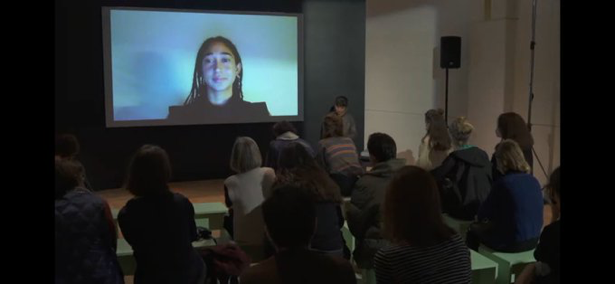
I gave a virtual talk at La Loge's "Constellations for the Future: Stories on Ecology, Kinship and Sciences." How might thinking with plant medicine, colonial science archives, and the Malagasy independence movement generate a sense of possibility for the future?
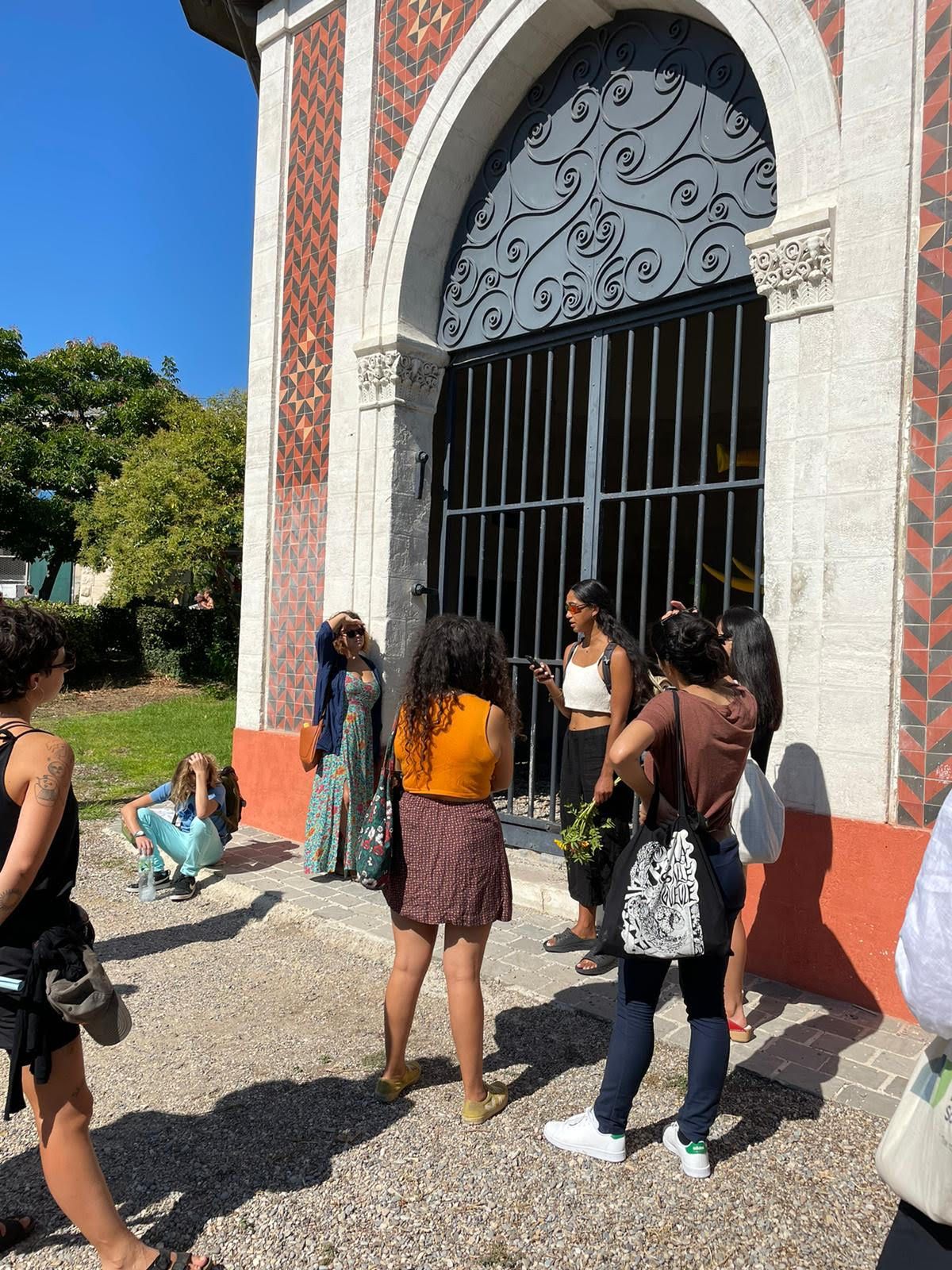
In September 2021, I led a haunted walk through the parc zooloique in Marseille.
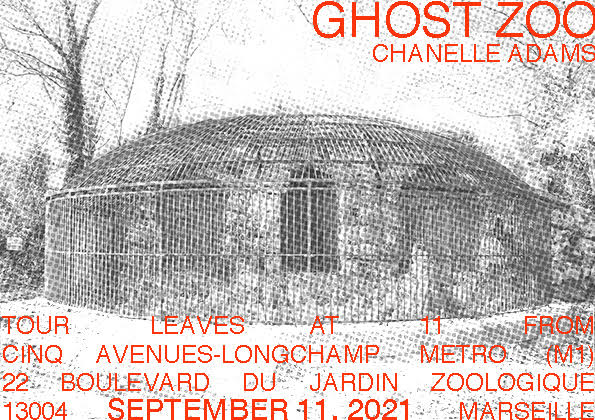
Ghosts rupture time by reminding us of the unfaced, unrestituted, and unresolved. Part meditative experience, part ghost tour, this performance is a practice in noticing colonial hauntologies in everyday city landscapes and an experiment in face to face encounters with ghosts. I invited participants to think with these ghosts by re-relating with haunt to release the future from historical horrors.
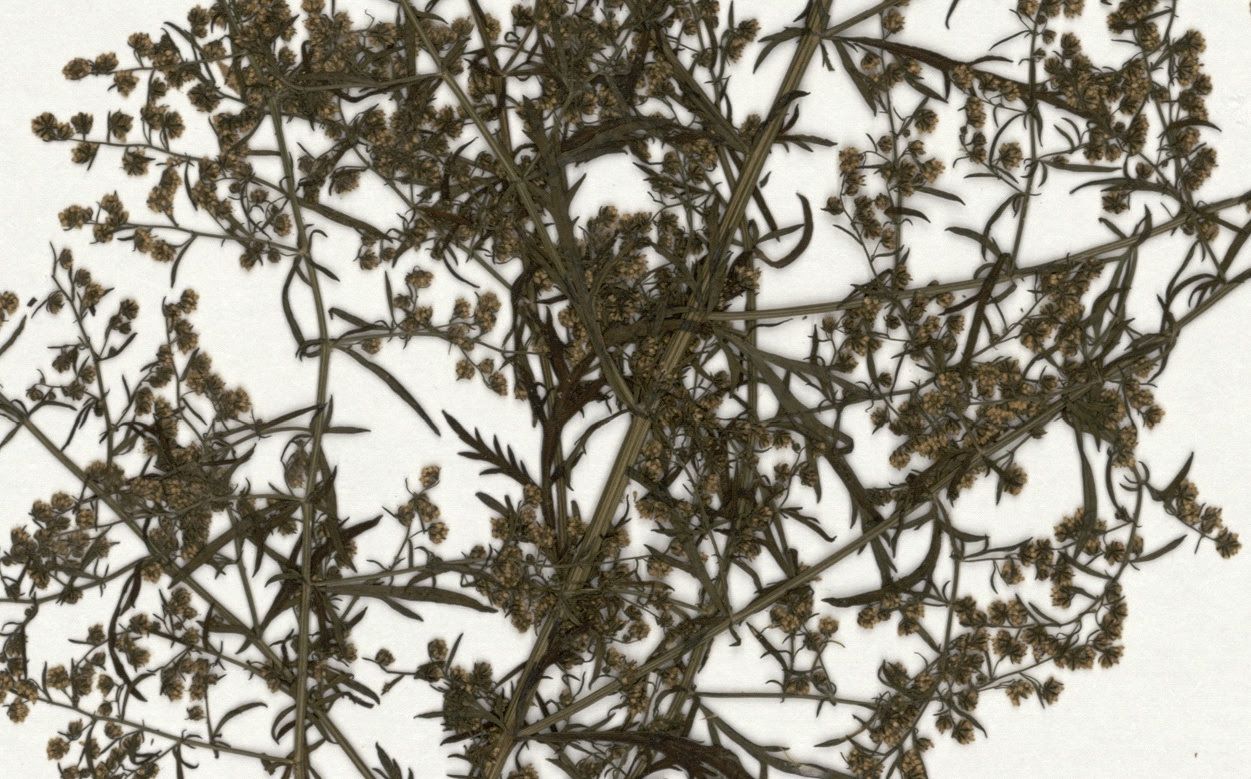
I wrote about a small country with Big Pharma energy for The Drift, "The DJ and the Miracle Cure | The Perils of Postcolonial Medicine in Madagascar."
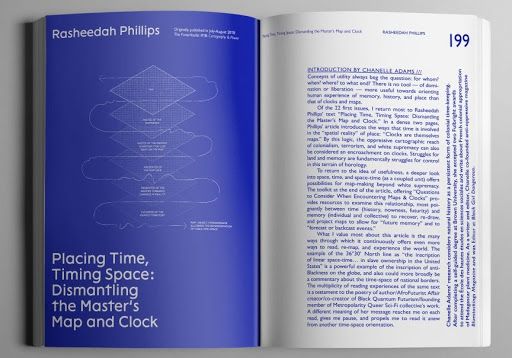
In September 2020, I facilitated “How To Use Meditation As A Technology For Liberation, Healing, and Reparations” to 50 participants at Black Womxn Time Camp 004 and contributed to the accompanying zine published by Black Quantum Futurism, whose text "Placing Time, Timing Space” I reviewed for the 2019 Chicago Architecture Biennial.
As writer in residence for the PLATFORM 2020:Utterances from the Chorus co-curated by Okwui Okpokwasili and Judy Hussie-Taylor, I shared a guided meditation “archive medicine” (audio/text). This offering describes research as ritual and offers the possibility of making medicine in the archive
During NYC lockdown in March, I launched a plant selfie content account.
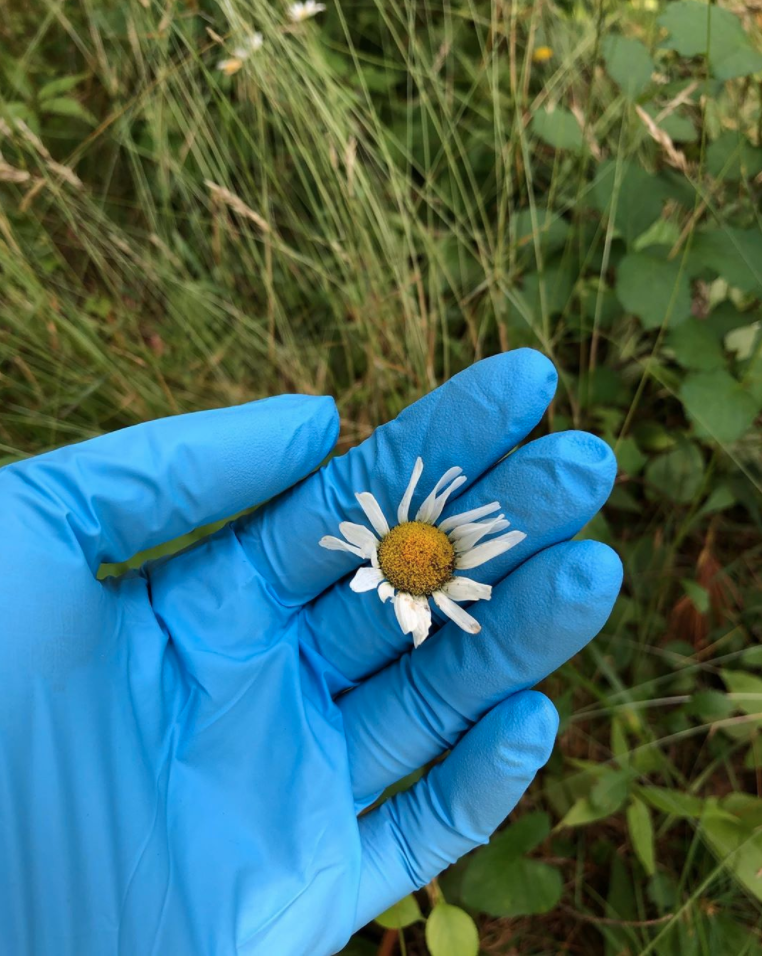
In 2018, I was an artist in Residence at the Visual Arts Network of South Africa in Johannesburg. My closing studio, “Botany of Death” opened my practice of mapping linkages (past and present) between colonial natural history and its afterlives (diaspora, memory, epistemologies, etc) in un-disciplined, unruly, and unarticulated forms.
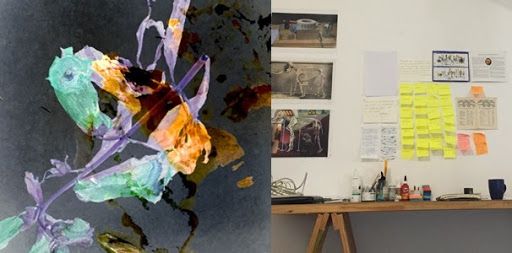
This past spring and summer, I was a guest on the Bea Bo show on Balamii radio. The epistolary soundscapes are archived here.
My text on mold and men, fungus and fugitivity, “The Archives Need to Breathe” ( Human x Nature 2018), was republished in 2020 by Paprika! At Yale and was included in Nomadic Archivist Project Co-founder Steven G. Fullwood’s event at NYU “The Not Obvious: Black Archives in Other Places.”
I delivered an artist talk “Plants As Propaganda" to an audience of plants and people in Athens, Greece at the Botanic Fictions, On the Political Narratives of Plants symposium curated by Anja Luckenkemper at the Goethe Institut.
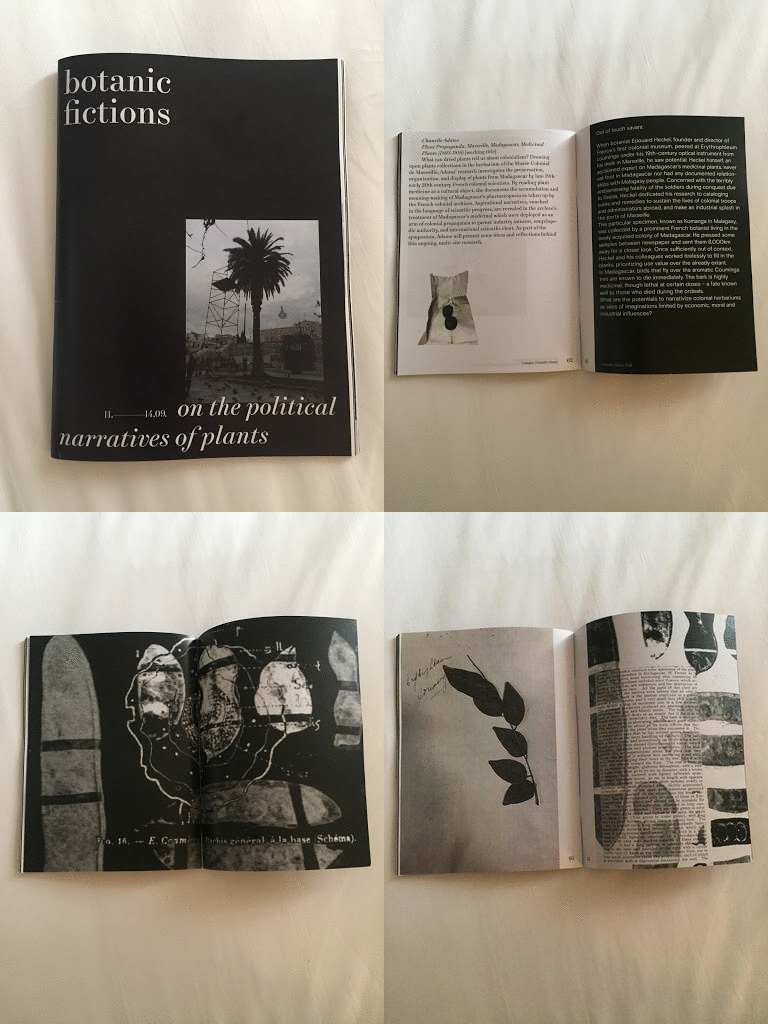
“Plant Propaganda” contributions to the Botanic Fictions, On the Political Narratives of Plants zine.
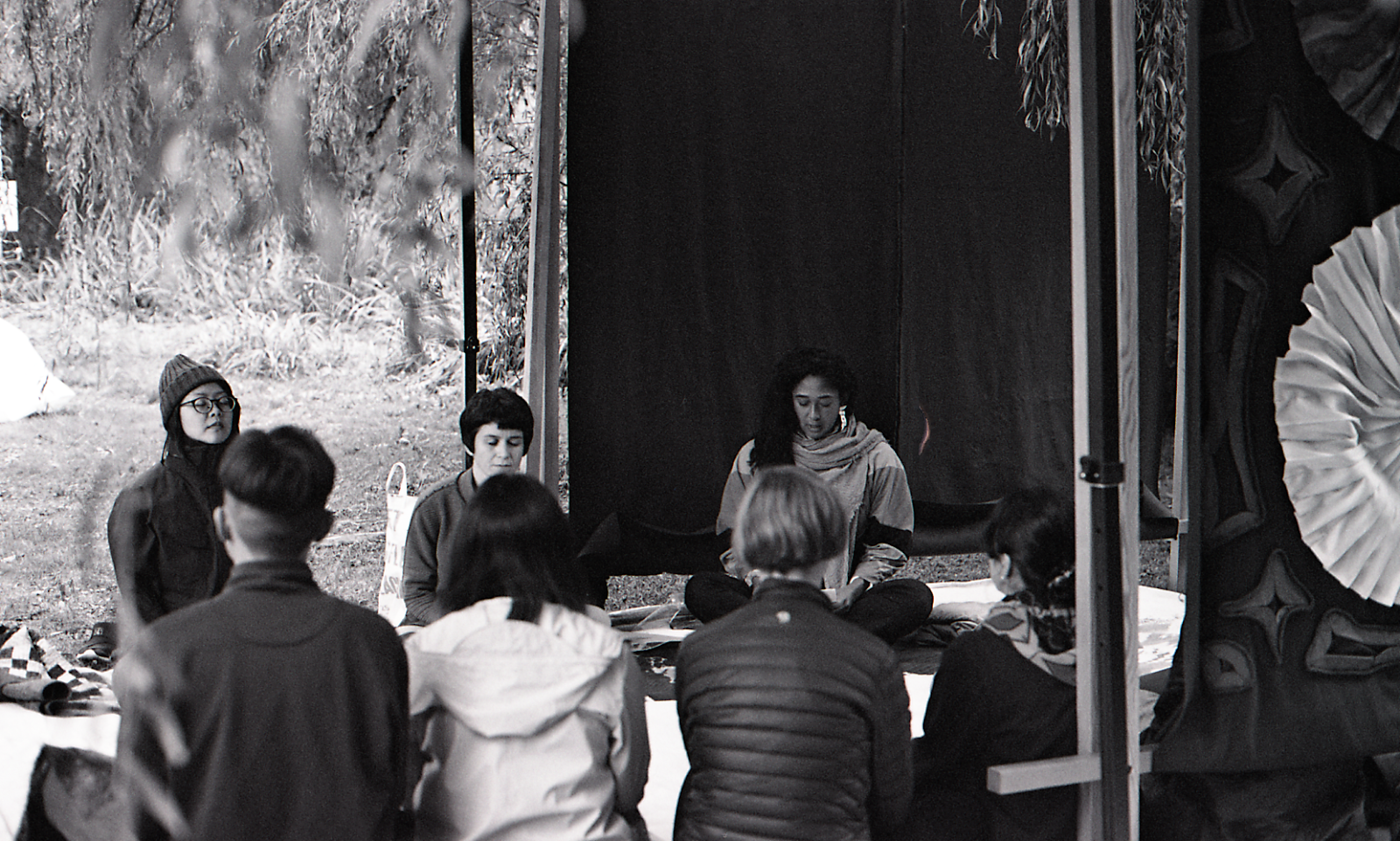
As part of Second Spring in October 2019, I facilitated a group through a ceremonious experiment in transmission “Possessive poisson poison"
around Trout Lake on the unceded territory of the Coast Salish peoples currently known as Vancouver. We explored relaying information, not through paper trails but hidden communications and transference of impressions. These events were curated by Julian Hou with Vivo Media Arts.